QUOTES · CONQUERORS AND PHILOSOPHERS ∙ QUOTES ∙ WORDS OF WISDOM
Voltaire
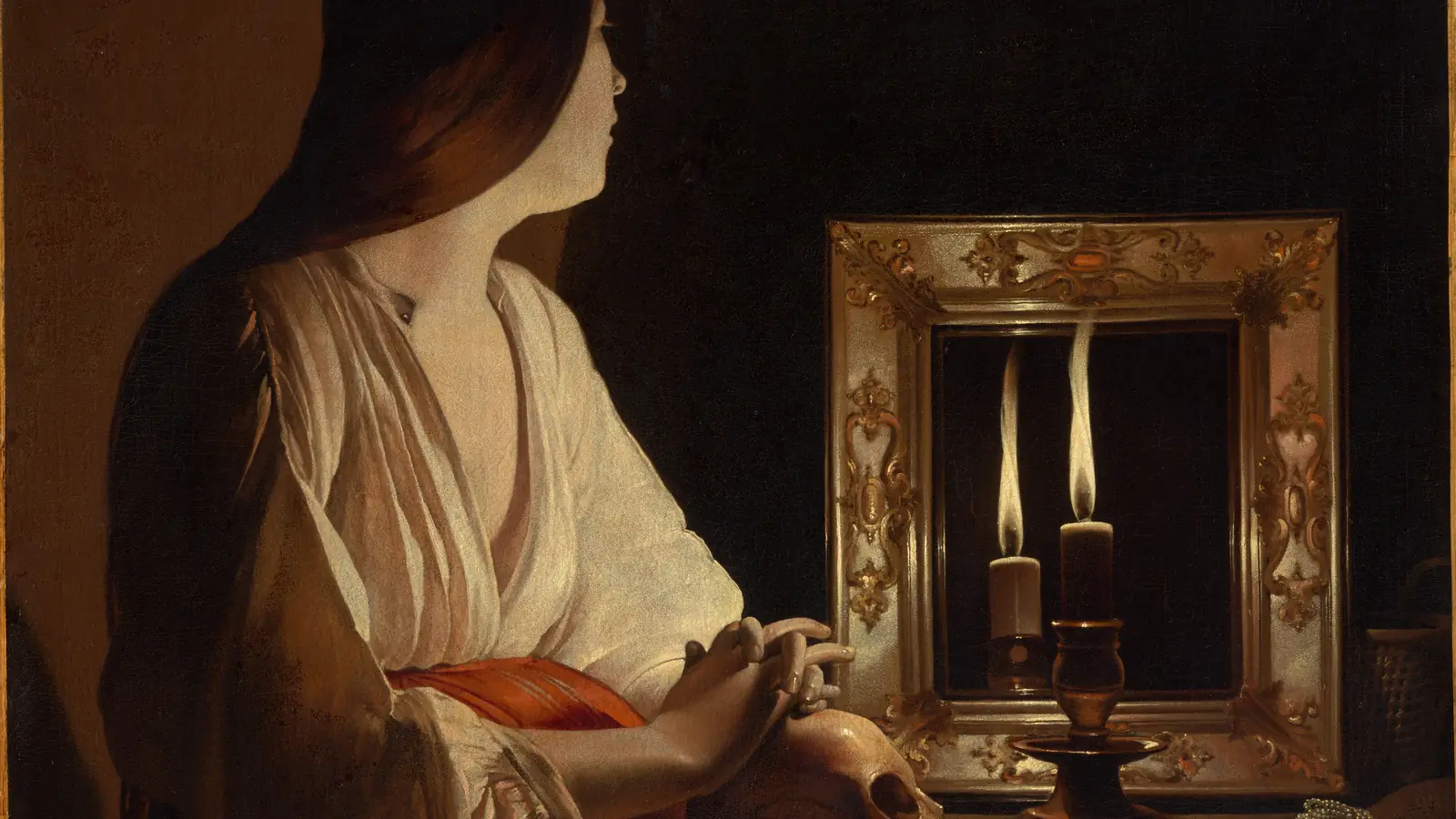
BACKGROUND · GEORGES DE LA TOUR, THE PENITENT MAGDALEN, C. 1640 · THE MET, OPEN ACCESS
Welcome to our Voltaire quotes and words of wisdom page, where we offer a collection of insightful and inspiring quotes from one of the greatest minds of the Enlightenment period. Voltaire was a French philosopher, writer, and social critic who tackled a range of topics such as freedom of religion, freedom of speech, and human rights. His works continue to resonate today and offer valuable lessons that can help us navigate life’s challenges. On this page, you will find a selection of Voltaire’s most profound and thought-provoking quotes, which we hope will inspire you to live a life of meaning, purpose, and impact.
Where these lines come from
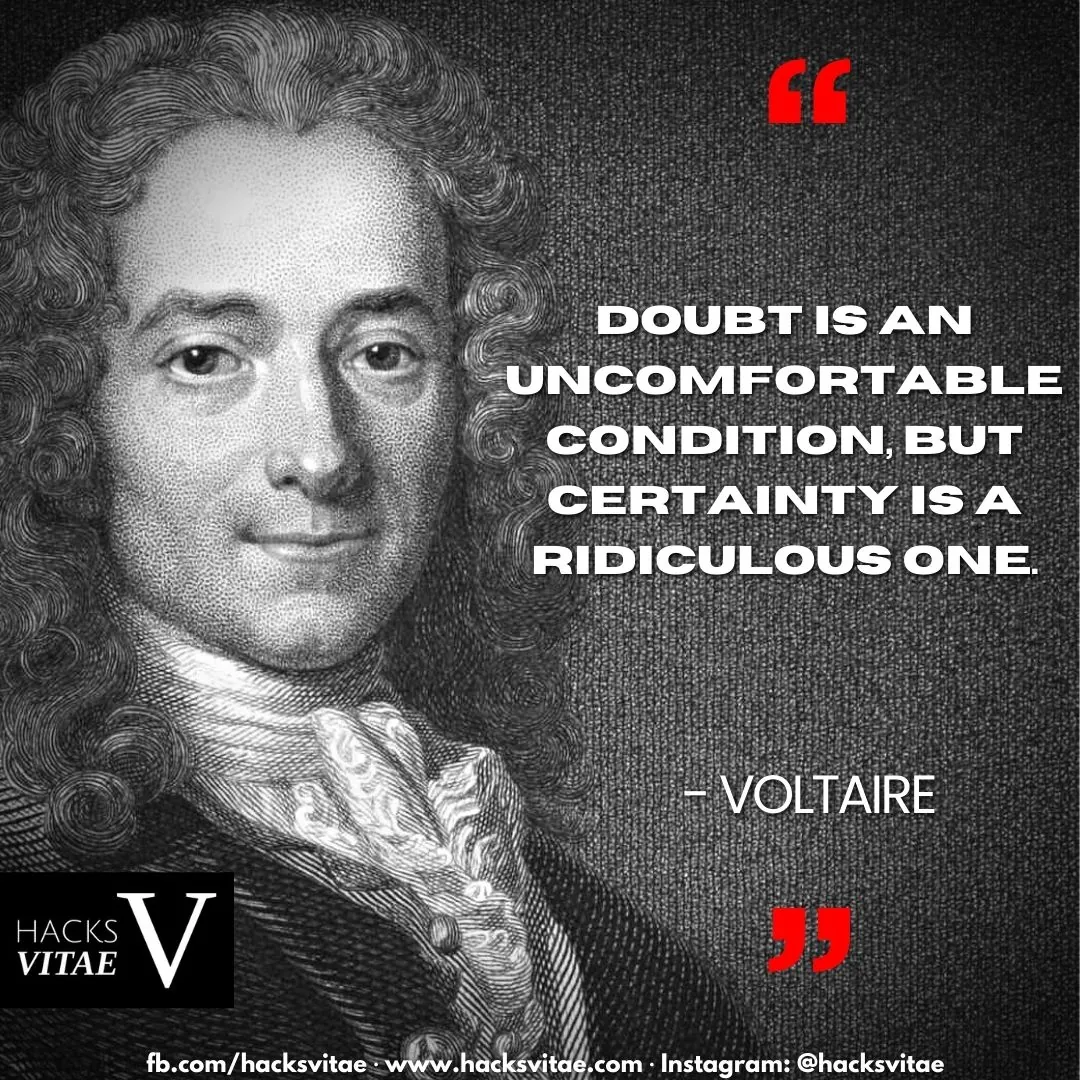
True “Doubt is an uncomfortable condition, but certainty is a ridiculous one.” Voltaire, letter to Frederick William, Prince of Prussia, 28 November 1770: Le doute n’est pas un état bien agréable, mais l’assurance est un état ridicule. French text
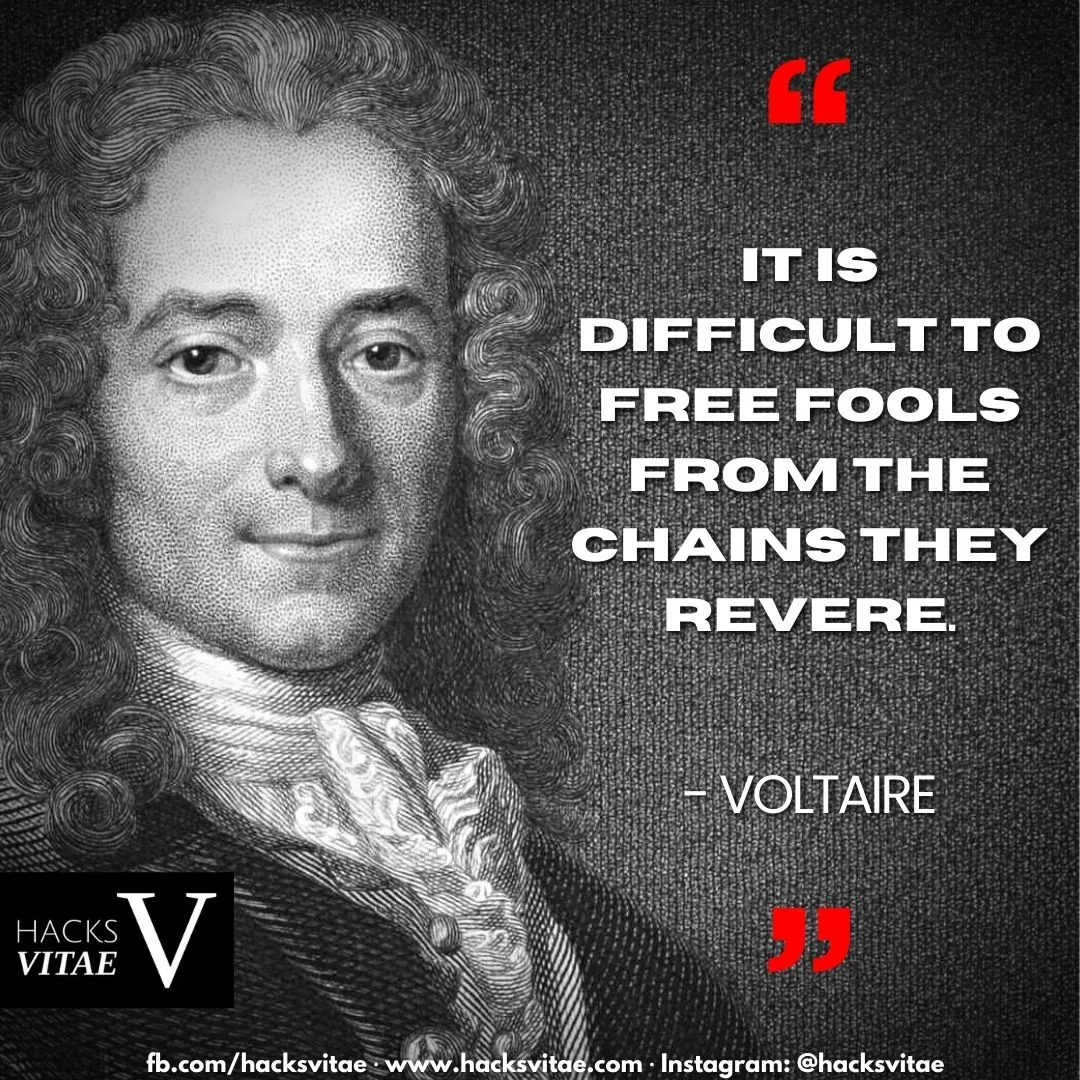
True “It is difficult to free fools from the chains they revere.” Voltaire, Le Dîner du comte de Boulainvilliers (1767), third conversation, where the abbé says: Il est bien malaisé … d’ôter à des insensés des chaînes qu’ils révèrent. It is a character speaking in a dialogue Voltaire wrote, not Voltaire in his own voice. The word used, insensés, means people who have lost their reason, which is harsher than “fools”. French text
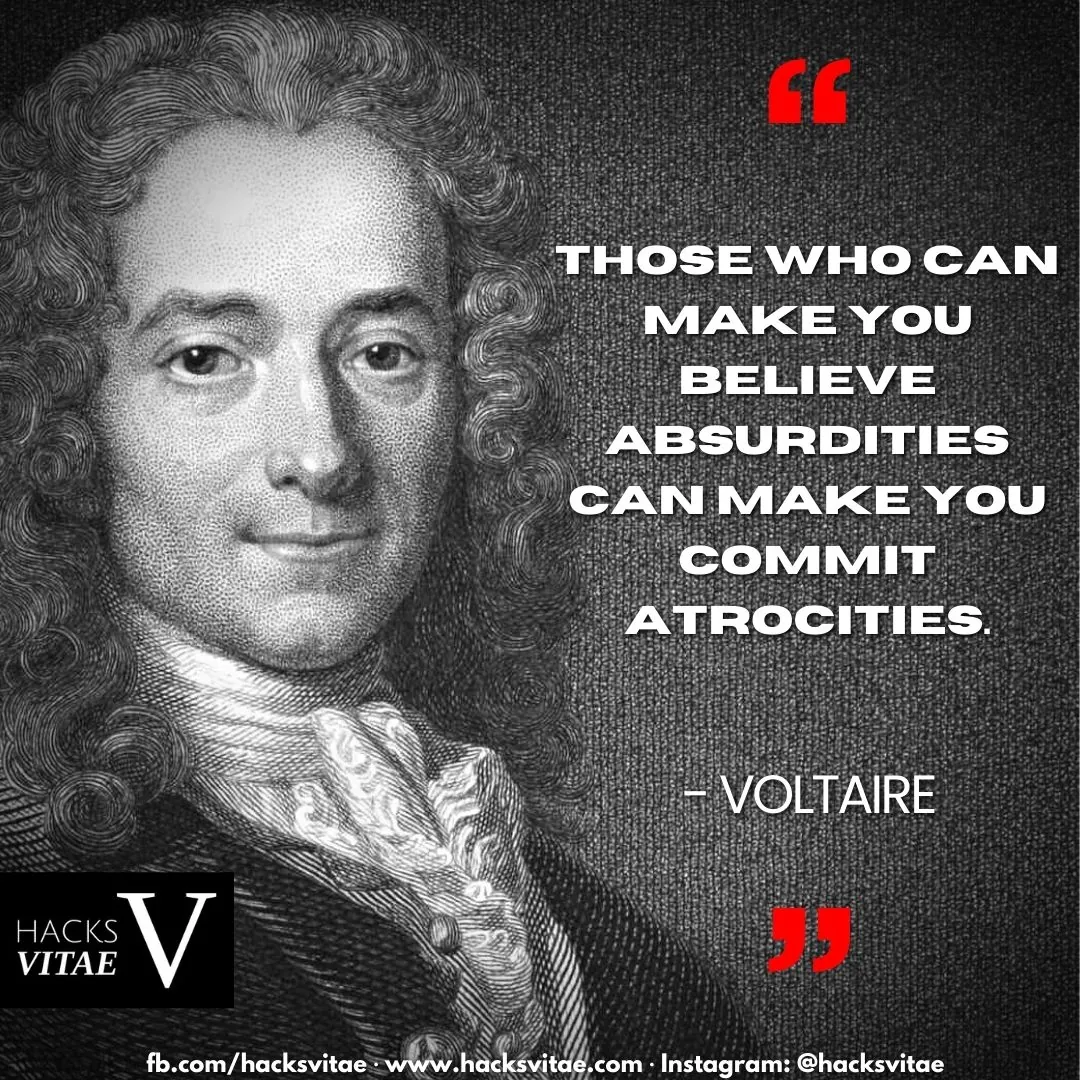
Partly true “Those who can make you believe absurdities can make you commit atrocities.” A popular paraphrase of Questions sur les miracles (1765): Certainement qui est en droit de vous rendre absurde est en droit de vous rendre injuste, “whoever has the power to make you absurd has the power to make you unjust”. French text
Partly true “Every man is guilty of all the good he did not do.” Voltaire wrote this of a government minister, not of everyone. Le Siècle de Louis XIV (1751), chapter 6, on Cardinal Mazarin: Un ministre est excusable du mal qu’il fait lorsque le gouvernail de l’État est forcé dans sa main par les tempêtes; mais dans le calme il est coupable de tout le bien qu’il ne fait pas, “in calm weather he is guilty of all the good he does not do”. French text
Partly true “Common sense is not so common.” The article “Sens commun” in Voltaire’s Dictionnaire philosophique opens: On dit quelquefois: «le sens commun est fort rare», “people sometimes say that common sense is very rare”. He reports it as something people say, then asks what the phrase means. French text
Partly true “The longer we dwell on our misfortunes, the greater is their power to harm us.” Reported second-hand. It first appears in Louis Mayeul Chaudon’s memoir of Voltaire (French 1785, English 1786, p. 291), right after the line “Life, said Voltaire, is thick sown with thorns, and I know no other remedy than to pass quickly through them.” Voltaire used the thorns image in a letter of 1769; the second sentence has not been found in his own writings. Quote Investigator
Each line was checked against the original text, or a named translation of it, in September 2026. How we check, and what we will not quote, is set out in our editorial standards.