Music-making software, visualizers, free tools, the history of recorded sound and the music myths people repeat, checked against sources, with prices and versions dated.
Articles
7
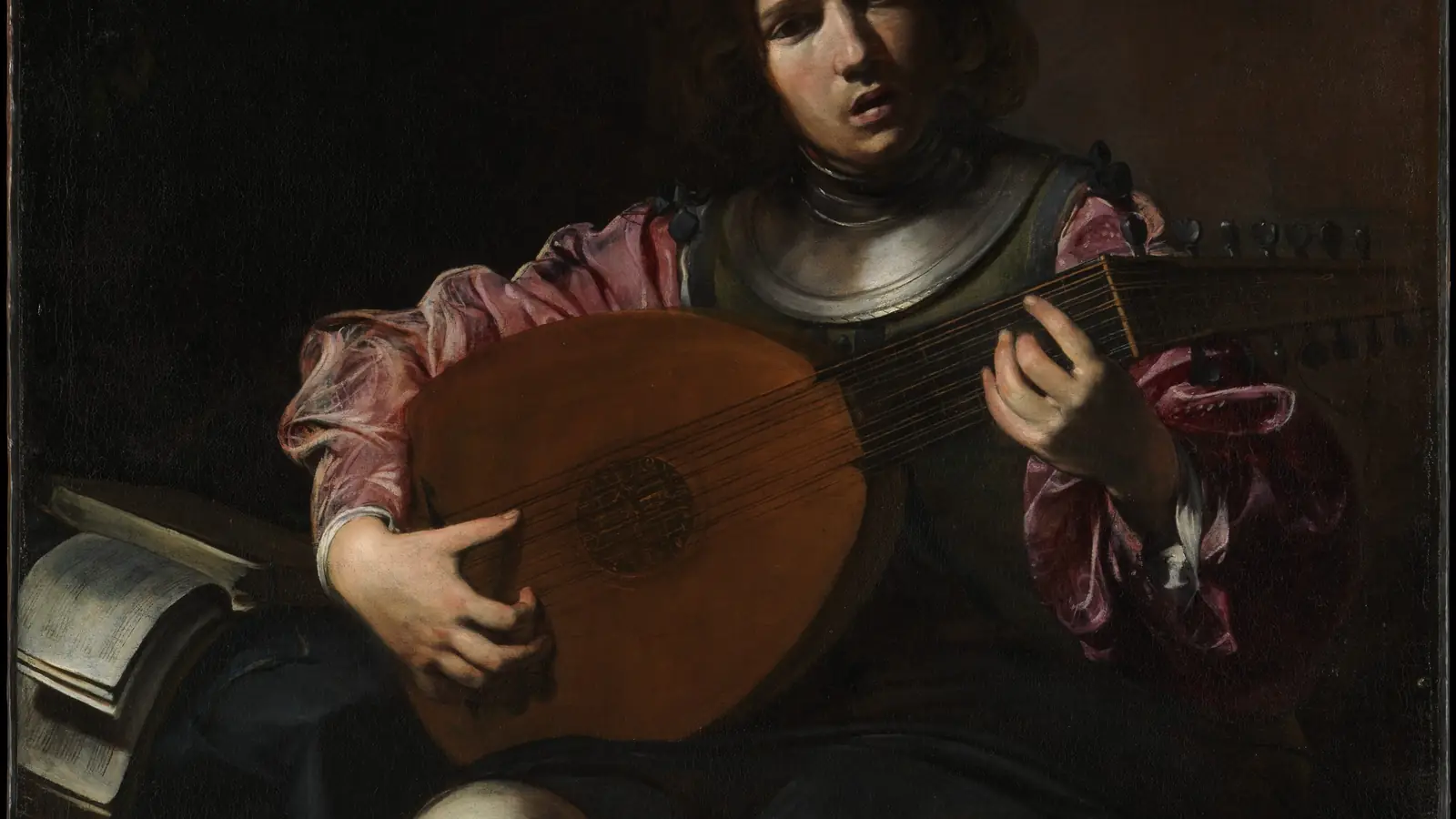
BACKGROUND · VALENTIN DE BOULOGNE, LUTE PLAYER, C. 1625–26 · THE MET, OPEN ACCESS
In June 2024 the major record labels sued Suno and Udio in US federal courts, alleging their AI music generators were trained on copyrighted recordings without permission.
"Free" means three different things. Some DAWs are free with no time limit but cap tracks or features; time-limited trials run from 3 to 60 days; and FL Studio's trial never expires but cannot reopen saved projects.
"Free" means different things here: open-source software (Surge XT, Dexed, Airwindows, MuseScore, Audacity), free but closed software (Valhalla Supermassive, TDR Nova), free tiers of paid products (Vital, whose source code is also GPLv3, and Splice INSTRUMENT), and licences that govern the sounds rather than the software.
"Music visualizer" covers four different kinds of tool: live software that reacts to sound in real time, web apps that render a video from your track, editing software you animate yourself, and the visuals built into music players.
Édouard-Léon Scott de Martinville recorded sound decades before Edison: his earliest surviving traces date from about 1853–54, and he patented the phonautograph in 1857. It traced sound on paper and was never meant to play it back.