QUOTES · CONQUERORS AND PHILOSOPHERS ∙ QUOTES ∙ WORDS OF WISDOM
Epictetus
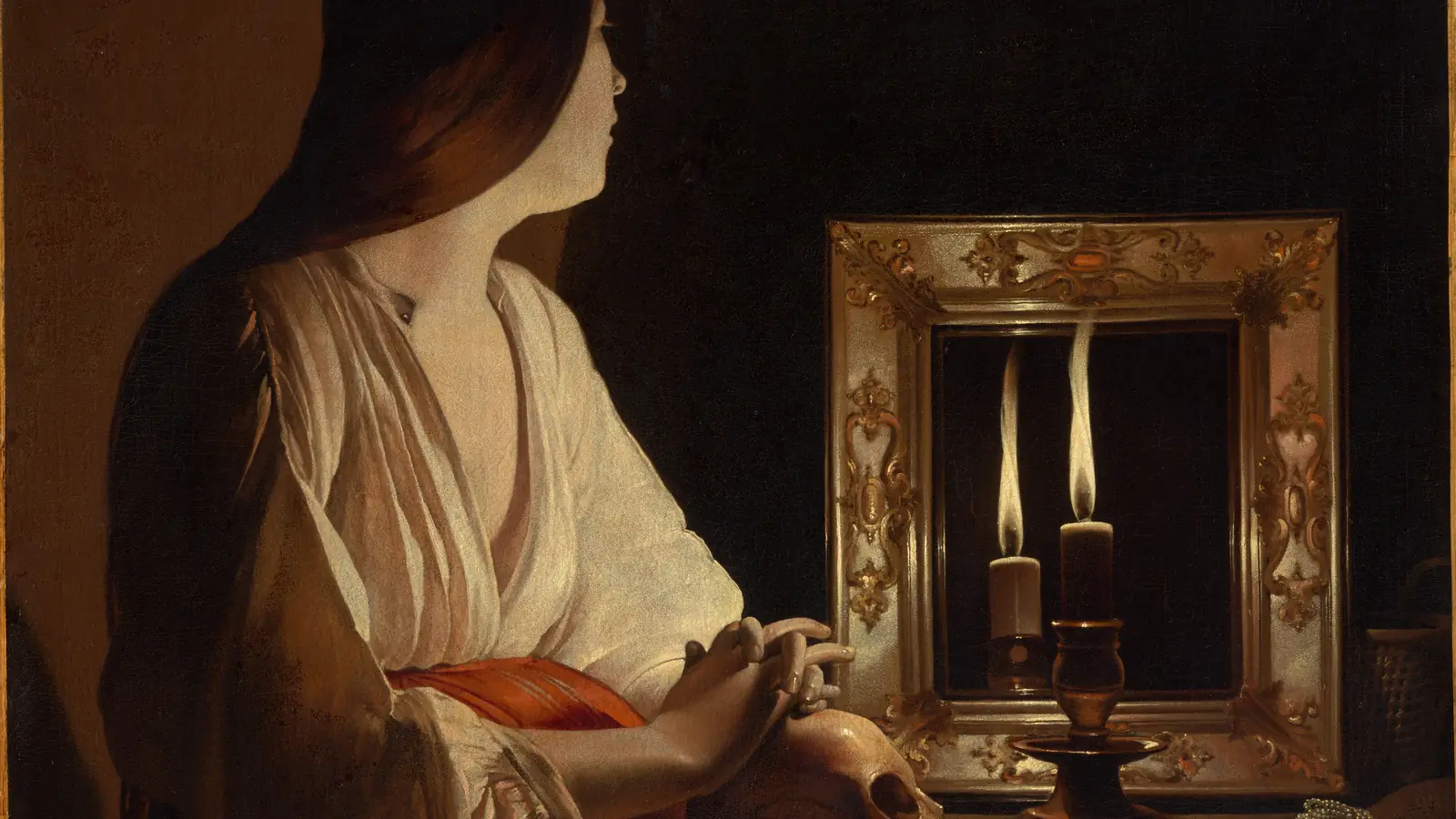
BACKGROUND · GEORGES DE LA TOUR, THE PENITENT MAGDALEN, C. 1640 · THE MET, OPEN ACCESS
Welcome to our Epictetus Quotes and Words of Wisdom page. Epictetus was a Greek philosopher who lived in the first century AD and is known for his stoic philosophy that emphasizes the importance of personal growth, resilience, and self-mastery. On this page, you will find some of his most insightful and inspirational quotes and teachings, which are still relevant and applicable today. Whether you’re seeking guidance on personal growth, emotional intelligence, or simply seeking wisdom to navigate life’s challenges, Epictetus’ words will provide you with valuable insights and perspectives.
Where these lines come from
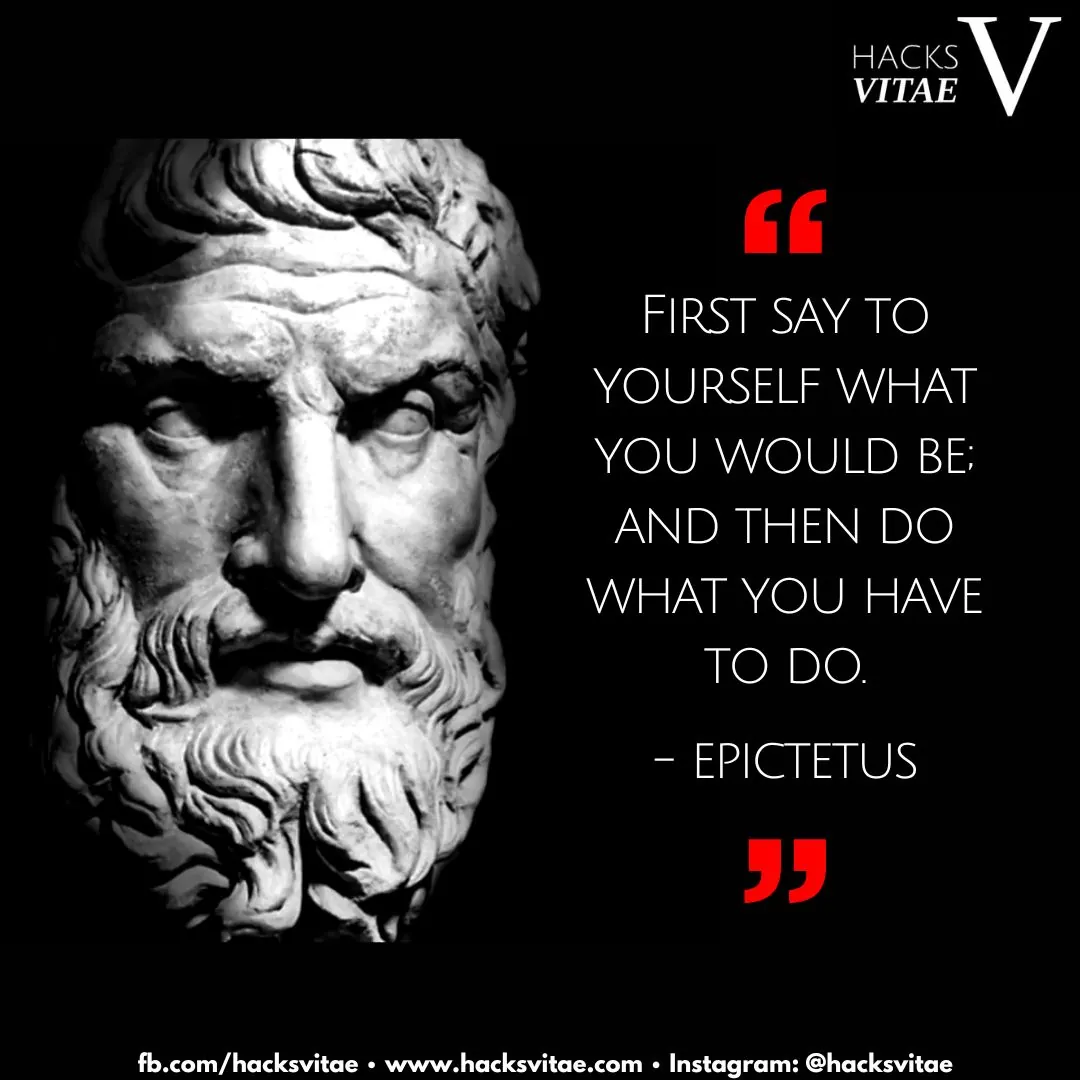
True “First say to yourself what you would be; and then do what you have to do.” Epictetus, Discourses 3.23.1, in Elizabeth Carter’s 1758 translation. Text
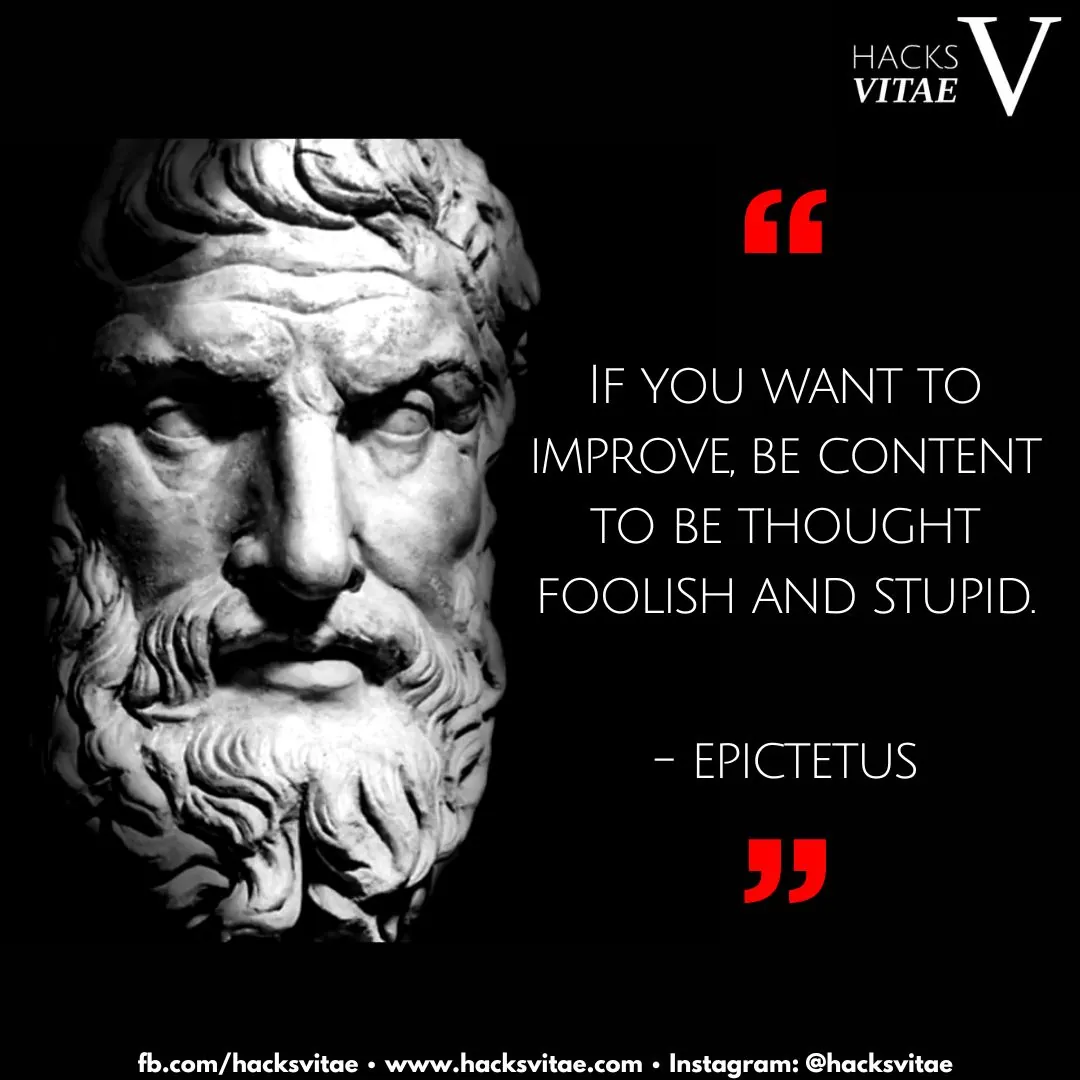
Partly true “If you want to improve, be content to be thought foolish and stupid.” Enchiridion 13, cut short. The sentence goes on: “with regard to externals”. Higginson’s translation reads: “If you would improve, be content to be thought foolish and dull with regard to externals.” The advice is about not caring how you look to others over things outside your control, not about looking foolish in general. Higginson translation
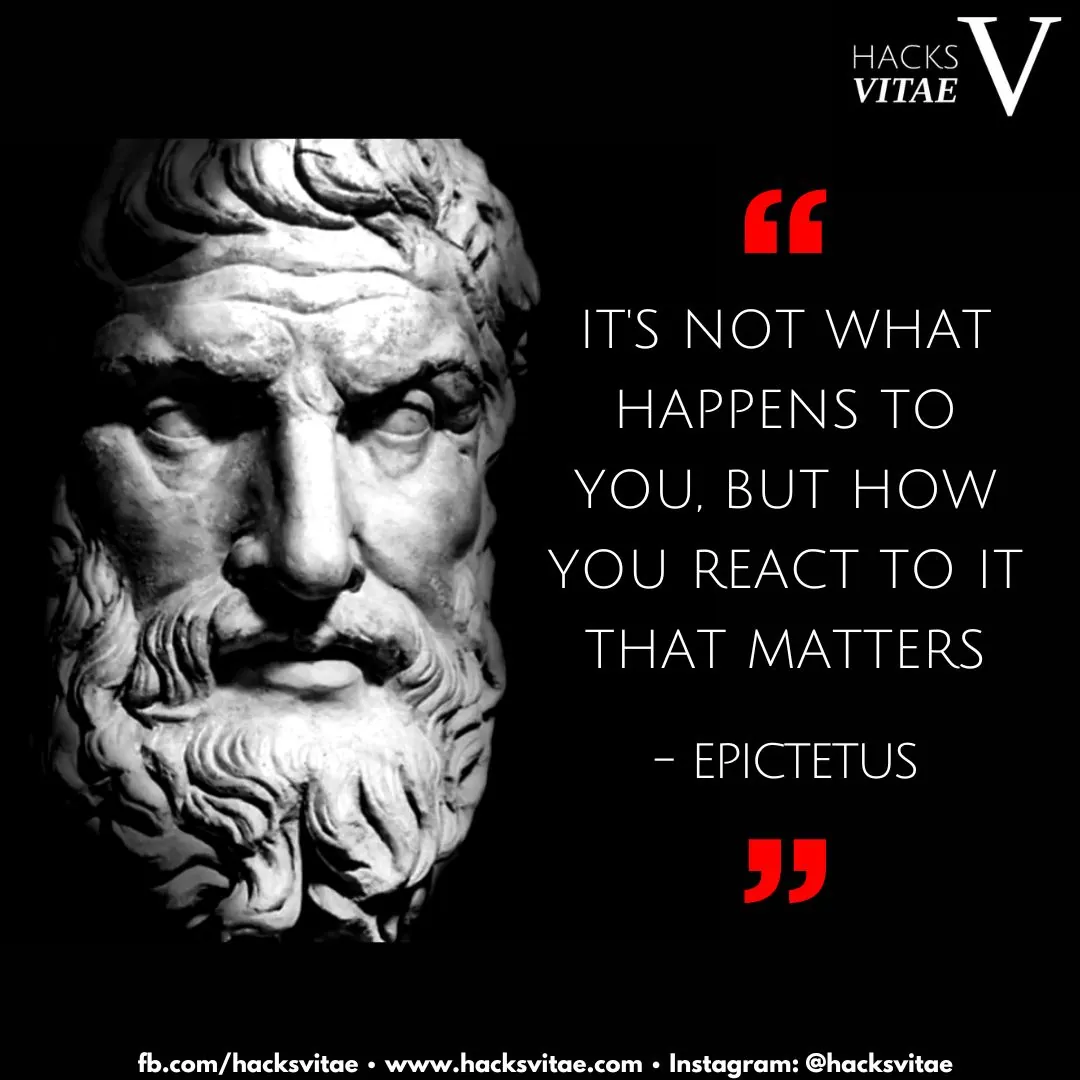
Partly true “It’s not what happens to you, but how you react to it that matters.” A modern paraphrase of Enchiridion 5: “Men are disturbed not by things, but by the views which they take of things.” Epictetus is talking about judgement, not reaction. Higginson translation
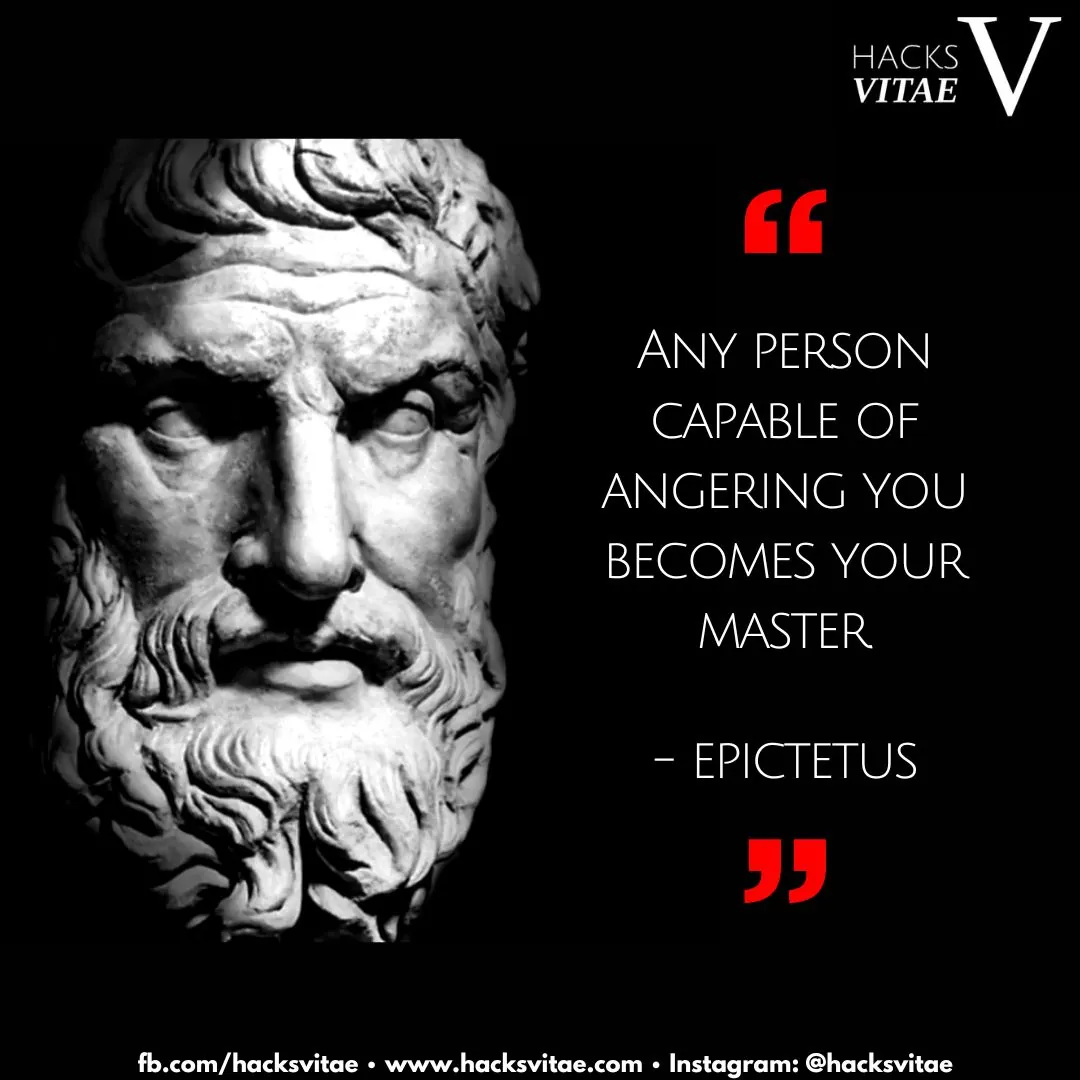
Partly true “Any person capable of angering you becomes your master.” A modern paraphrase. The nearest passage is Enchiridion 28: “If a person had delivered up your body to some passer-by, you would certainly be angry. And do you feel no shame in delivering up your own mind to any reviler, to be disconcerted and confounded?” See also Enchiridion 20: “When, therefore, anyone provokes you, be assured that it is your own opinion which provokes you.” Higginson translation
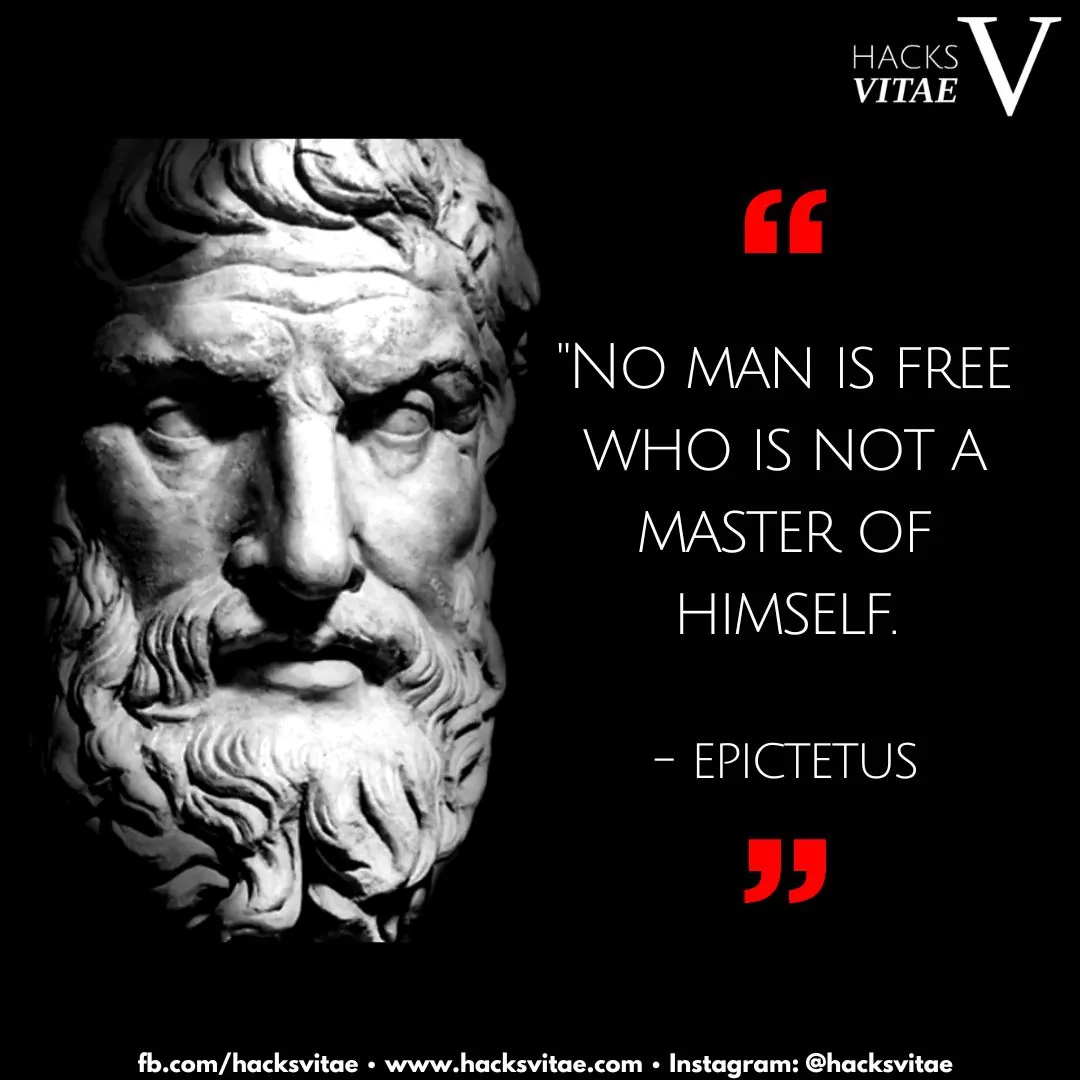
Unverified “No man is free who is not master of himself.” Attributed to Epictetus (unverified). It is Fragment 35 in W. A. Oldfather’s 1928 translation of the fragments, sayings that survive in later collections rather than in Arrian’s record of the lectures, and its authenticity is doubted. Oldfather, Fragments
Each line was checked against the original text, or a named translation of it, in September 2026. How we check, and what we will not quote, is set out in our editorial standards.